Emotional Pet Marketing: The Psychology of Purchasing Decisions
Pet marketing requires a well-thought-out strategy to get your brand at the forefront of customers’ minds. In the UK, the pet industry has grown exponentially and was valued at £13 billion in 2024. It is estimated that pet parents spend up to £1,500 every year on their pets.
With so many pet parents seeing their dog, cat or rabbit as a child or family member, emotional pet marketing plays a key role in driving consumer decision making.
Pets as a Member of the Family
A recent study by Purina found that 89% of pet owners see their pet as a member of the family and 73% said that they thought of their pet as a best friend.
With such strong emotional bonds to our pets, emotional pet marketing definitely matters. Responsible pet owners truly care about the wellbeing of their pets and want them to have happy and healthy lives.
This has marked a shift in recent years to premium, customised pet products like custom dog and cat food with higher quality ingredients. There has also been a shift towards dog grooming, with owners spending more of their disposable income to ensure their pets are looking and feeling Instagram-ready.
Why Does Emotional Pet Marketing Work?
A study by the Harvard Business Review found that customers who connect with a brand on an emotional level spend more and are less concerned about price. Emotionally connected customers are also more brand loyal and likely to recommend the brand to others.
Connecting with pet owners on an emotional level is actually more valuable to your pet business long-term than throwing facts and figures at them. Engaging copy and social media campaigns that reach them on a human level build long-lasting connections.
Are 95% of Purchasing Decisions Based on Emotion?
Harvard Business School Professor Gerald Zaltman believes that consumers are largely driven by the subconscious when making purchasing decisions and up to 95% of purchases are actually driven by emotion.
During research, he noticed that consumers think they are comparing on price and other factors but in the end make their decision largely based on the subconscious mind. What consumers often say they like is often the opposite of what they will actually buy in a real life situation, which makes focus groups quite ineffective at market research.
Do Pets Make Us Spend More?
A 2024 study found that pet owners spend more money and make more impulsive purchases. Purchasing decisions are often driven by the sense of wellbeing pet parents get from connecting with their pet, which drives them to purchase more.
What Is an Example of Emotional Marketing?
With emotions playing a central role in pet parents’ decisions, many UK pet brands have tailored their pet marketing to meet this need and align with the values of their target customers. The following emotional marketing examples show how UK pet brands are capitalising on this trend:
KatKin
KatKin sells high-quality cat food focused on maintaining health and wellbeing. One of their core values is ‘Hardcore Love,’ positioning cat owners as cat parents who will go hardcore for the wellbeing of their cat.
Other messaging in their pet marketing strategy also includes ‘Love hard. Feed Fresh.’ Through this messaging KatKin incorporates an emotional element into purchasing their cat food.
KatKin cat food is described as having a human element to it with the use of ‘100% human-quality meats’. This in turn humanises the idea of your cat and again plays on emotions by giving animals human characteristics.
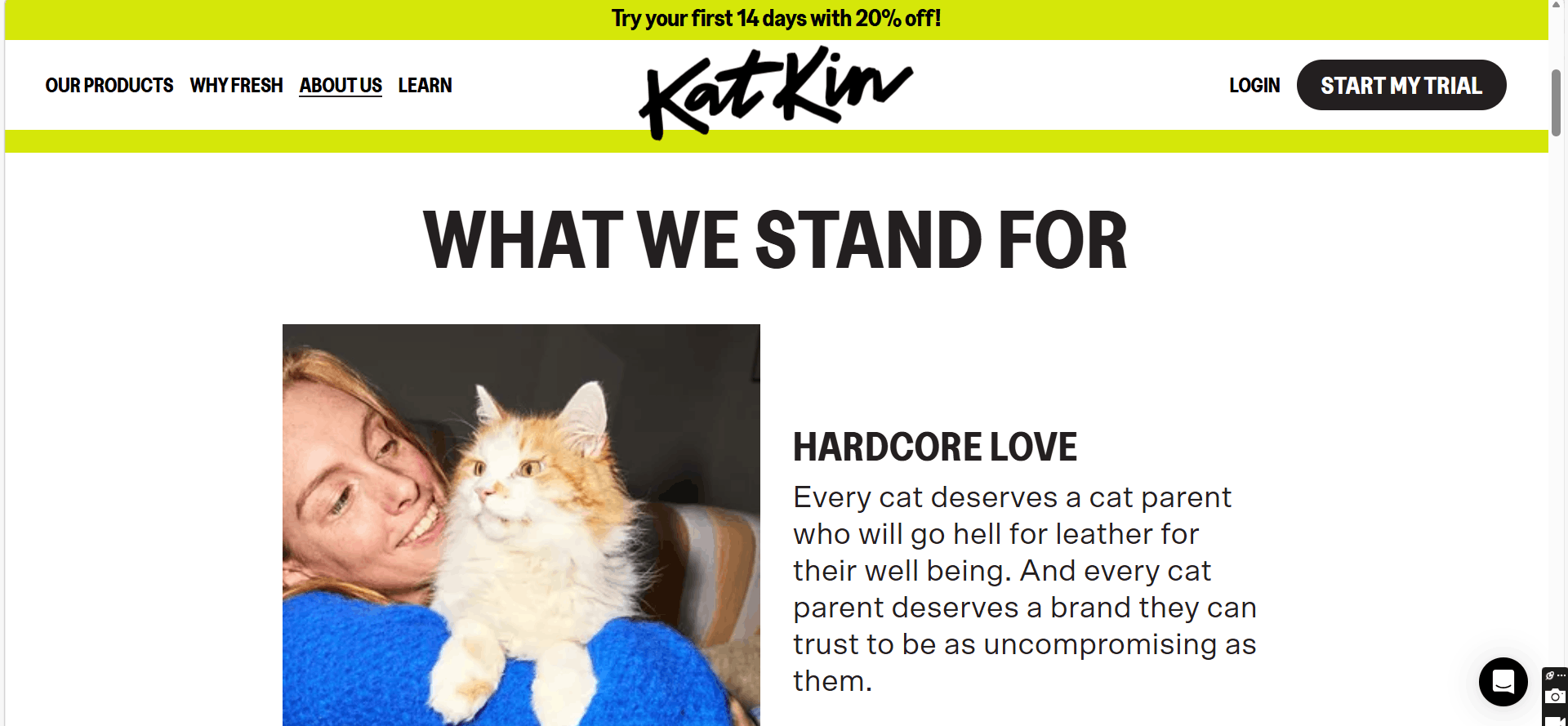
Screenshots from the KatKin website
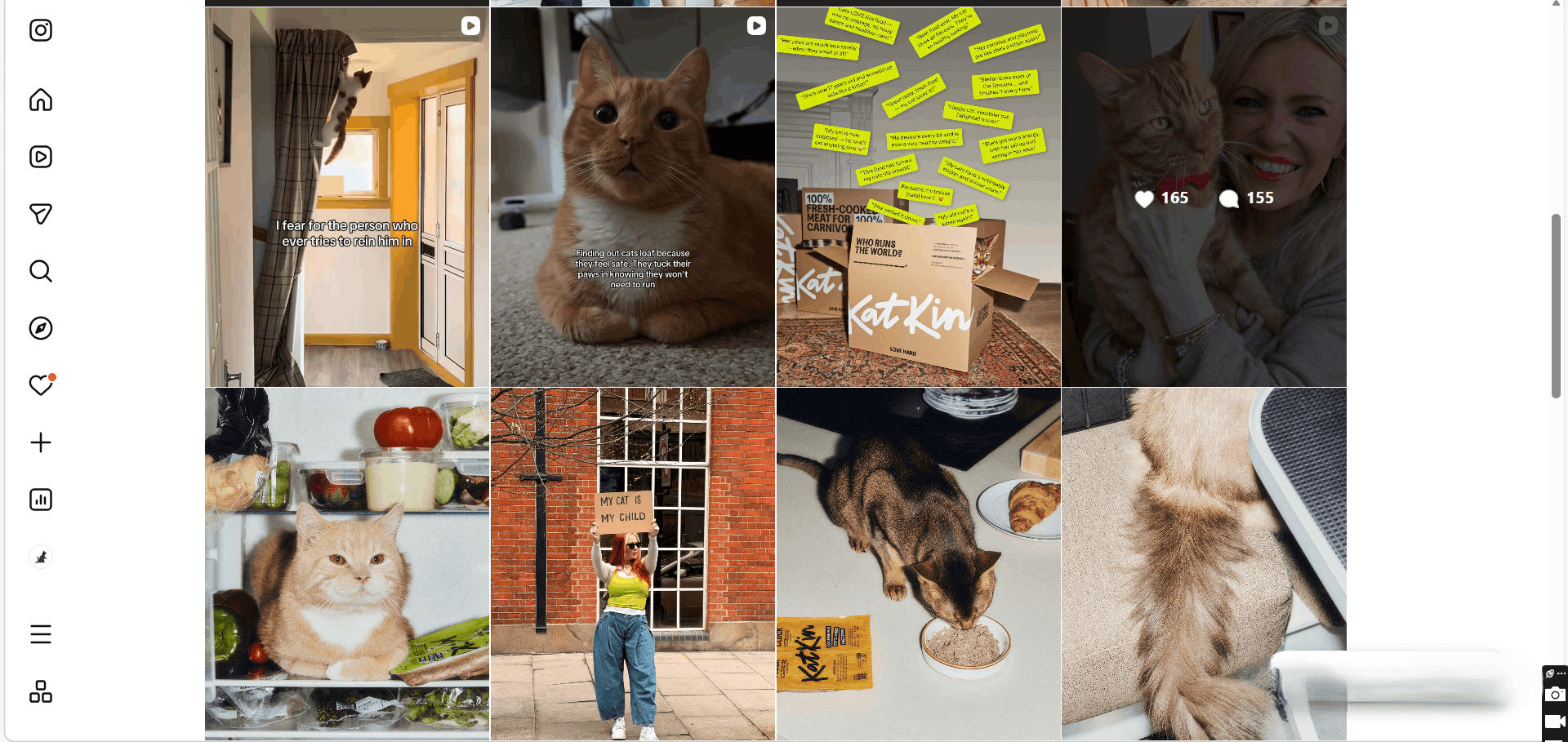
Photos from KatKin’s Instagram account
KatKin’s Instagram account also features similar messaging like ‘My cat is my child’ which resonates with pet parents who see their cats as children.
Butternut Box.
Butternut Box is a fresh dog food subscription service. Their brand messaging includes photos focused on the bond between a dog and its owner. The language also includes many references to humanising dogs by talking about their mood, happiness and the ‘human-quality ingredients’ used.
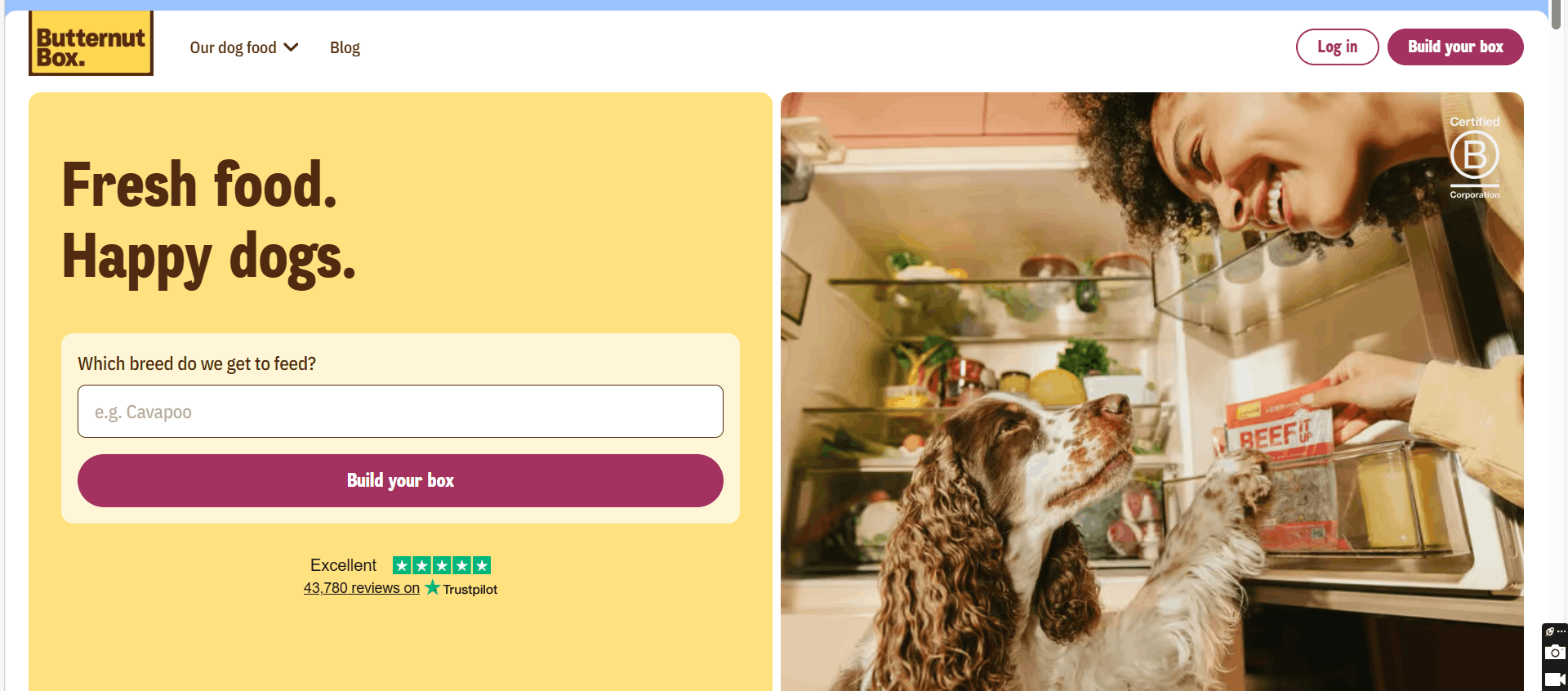
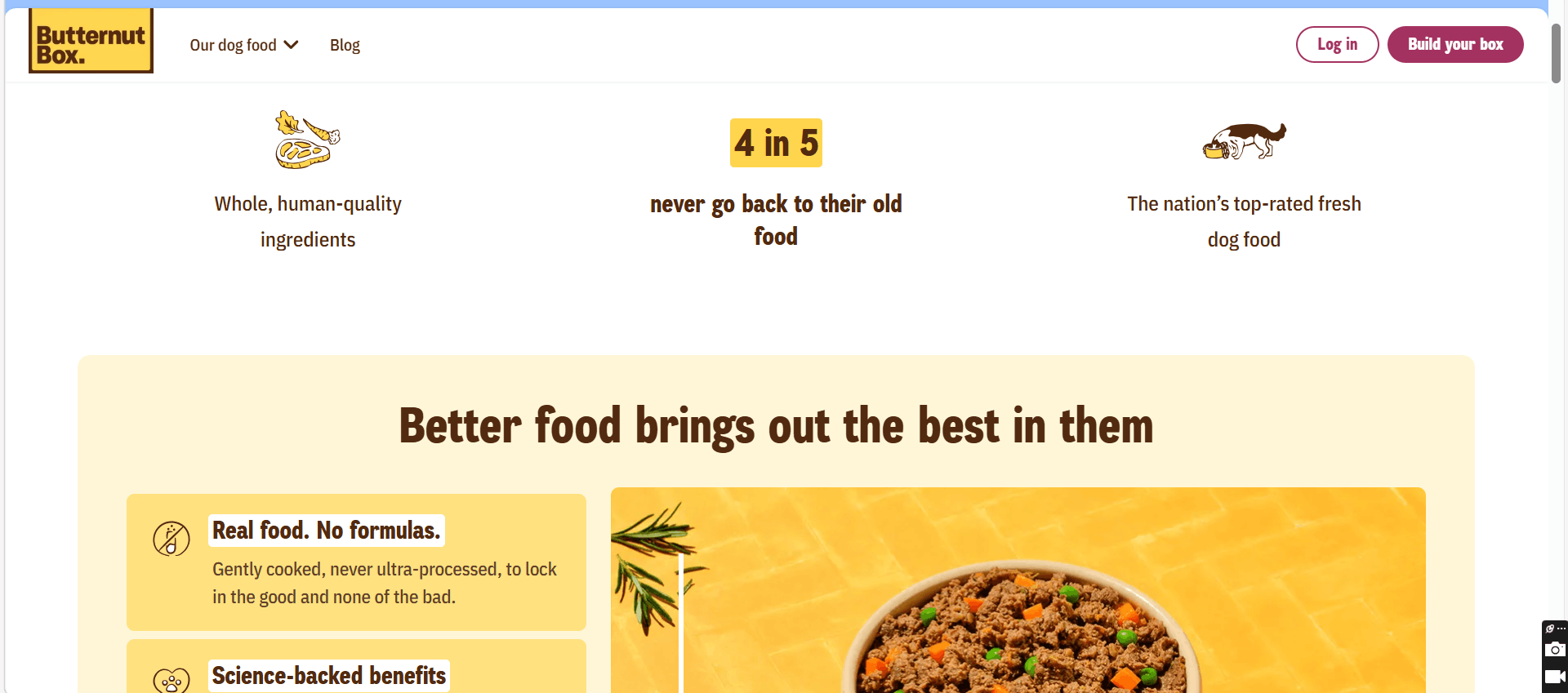
Screenshots from the Butternut Box website

Screenshots from Butternut Box’s Instagram account
Butternut Box’s Instagram account features stories about puppies that have been rescued which is a very emotive subject and connects with their followers on an emotional level.
Pooch & Mutt
Pooch & Mutt is a UK brand which produces a range of premium dog foods. The ethos of the brand is about providing healthy grain-free dog food that improves wellbeing. A great example of humanisation is their ‘Calm & Relaxed’ range which is designed to be soothing for reactive dogs, promoting calmness and relaxation.
The messaging on the product description also reads ‘The perfect step to make life feel calmer and full of love, for your best bud.’ Again, emphasising the bond between a dog and its owner and how we often see our pets as best friends or family members.
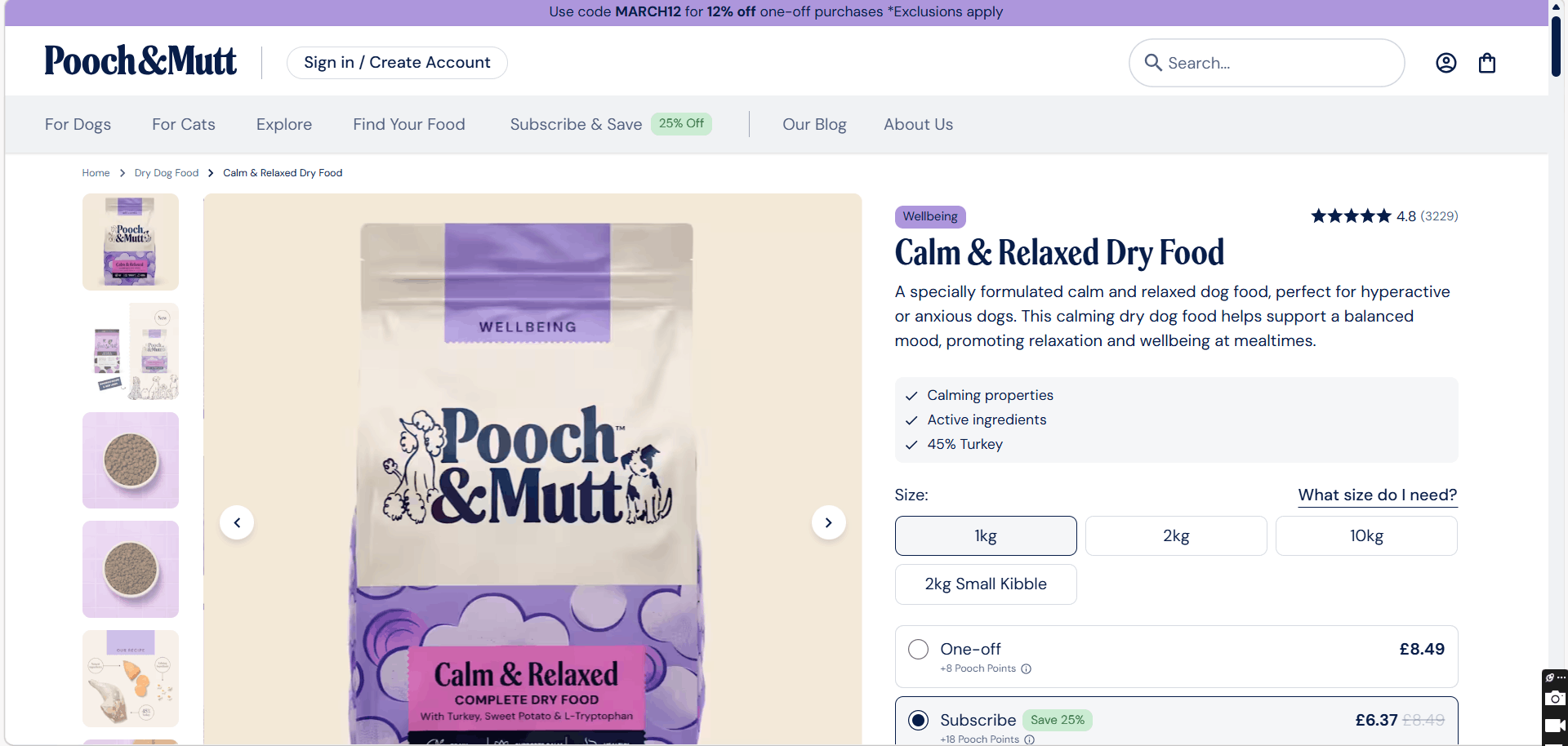
Screenshots from the Pooch & Mutt website
Emotional Pet Marketing Ideas
If you’d like to incorporate an emotional element into your pet advertising campaigns, social media or brand messaging, here are some ideas to start you off:
Humanisation: Incorporate language that humanises pets and describes them as having human characteristics
Pet and Owner Bond: Focus on the strong bond between a pet and their owner, use visuals and messaging that reinforces this concept
Rescue and Adoption Stories: Include positive rescue and adoption stories that make people feel good
Tell Your Personal Story: If you have a pet and started your brand because of that pet, make sure to include your story
Brand Ethics: If your brand has specific values and ethics, such as being environmentally friendly, healthy, made in the UK, sustainable or made to help pets and their owners, make sure this is clear in your messaging
Why Emotions Are at the Forefront of Pet Owners’ Decision Making
Studies have shown that the majority of pet owners see their pet as a best friend or family member, so it’s not surprising that they make decisions based on their hearts rather than their minds. This gives pet brands a unique opportunity to tailor their pet marketing strategy to their audience by connecting with their consumers on an emotional level, increasing engagement, brand loyalty and overall spending.